
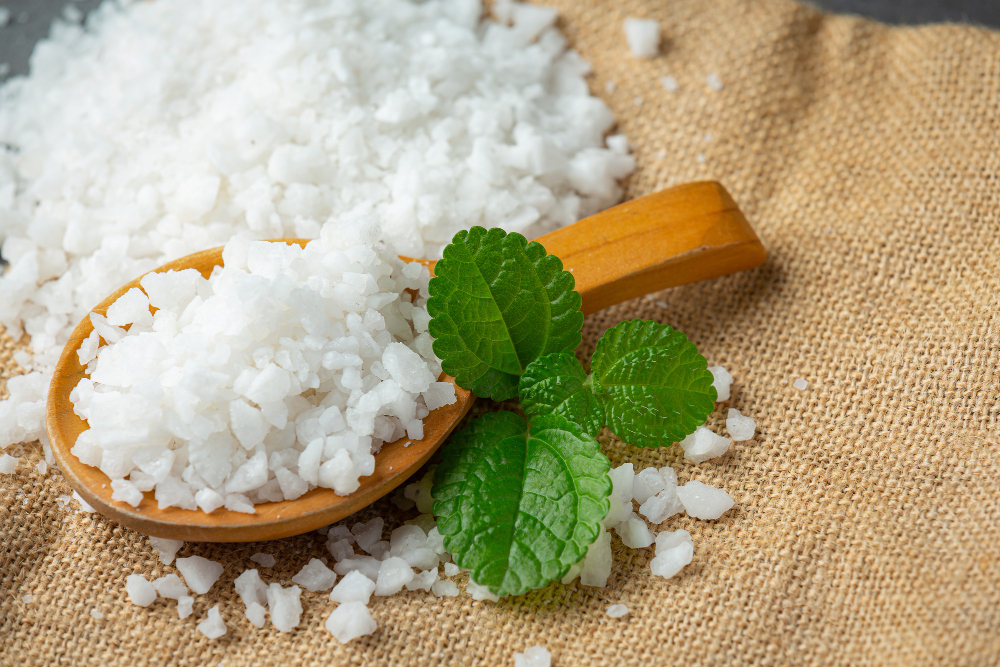
Camphor, known as Kapoor in India, is an essential part of our daily lives. From morning aarti and spiritual rituals to home remedies and aromatherapy, its distinct, soothing aroma is instantly recognizable. But have you ever stopped to wonder how is camphor made?
Understanding the manufacturing process of camphor is not just fascinating; it is crucial for knowing what you are bringing into your home. In this guide, we will explore what is camphor made of, the step-by-step process of how camphor is made, and why choosing the right type matters for your health and well-being.
(Curious about its history? Read more about the fascinating Origin of the Word Camphor.)
To understand what is camphor made of, we must first recognize that there are two entirely different types of camphor available in the market:
The process of how camphor is made differs vastly depending on whether it is natural or synthetic. Let’s look inside both manufacturing processes.
The creation of pure, natural camphor is a meticulous, time-intensive process:
Industrial how camphor is made processes focus on mass production and cost-effectiveness:
While synthetic camphor serves basic aromatic purposes, it does not offer the same spiritual or therapeutic purity as its natural counterpart.
Because the manufacturing processes are so different, the end products behave differently. Using impure or synthetic camphor in enclosed spaces or for health remedies can sometimes cause headaches or respiratory irritation.
If you want to ensure you are using the best for your family, learn How to Identify Pure Camphor with our simple, practical guide. Pure camphor leaves zero residue when burned and has a cooling, non-pungent aroma.
Once you understand how is camphor made and secure a pure source, its applications are endless. Beyond its sacred role in puja, camphor is a powerful household ally:
(Note: If you are looking for a finer texture for specific rituals or remedies, you might also be interested in learning What is Camphor Powder and How is it Made.)
At Mangalam Organic, we believe that what you burn in your home or apply to your body should be nothing short of 100% pure. Our camphor is carefully sourced and processed to retain its natural isoborneol content, ensuring you get the authentic aroma and benefits without any hidden chemicals.
Explore our premium, naturally derived products:
Shop Pure Camphor at Mangalam Organic
Knowing how is camphor made empowers you to make smarter, healthier choices for your home. While synthetic options are cheap and abundant, the spiritual, therapeutic, and aromatic benefits of naturally manufactured camphor are unmatched.
Make the switch to purity today. Visit Mangalam Organic to bring the authentic, calming essence of nature into your daily rituals.
Q1: How is camphor made?
A: Natural camphor is made by steam-distilling the wood of the Cinnamomum camphora tree and cooling the vapor until it sublimates into solid white crystals. Synthetic camphor, on the other hand, is made through chemical processing of turpentine oil.
Q2: What is camphor made of?
A: Pure, natural camphor is made of organic compounds extracted directly from the camphor tree, primarily isoborneol. Synthetic camphor is made from chemically altered turpentine oil derived from pine resin.
Q3: How camphor is made safe for household use?
A: Camphor is safe for household use when it is 100% natural and used in well-ventilated areas. Always avoid ingesting synthetic camphor, and keep all forms of camphor out of reach of young children.
Q4: Can I use synthetic camphor for Ayurvedic remedies?
A: No. Ayurvedic traditions strictly recommend the use of pure, natural camphor (Bhimseni Kapoor). Synthetic camphor contains chemical residues that are not suitable for internal or therapeutic use.
Q5: Does the manufacturing process affect the smell of camphor?
A: Yes. Natural camphor has a smooth, cooling, and deeply soothing fragrance. Synthetic camphor often has a sharper, more pungent, and chemical-like odor due to its manufacturing process.


